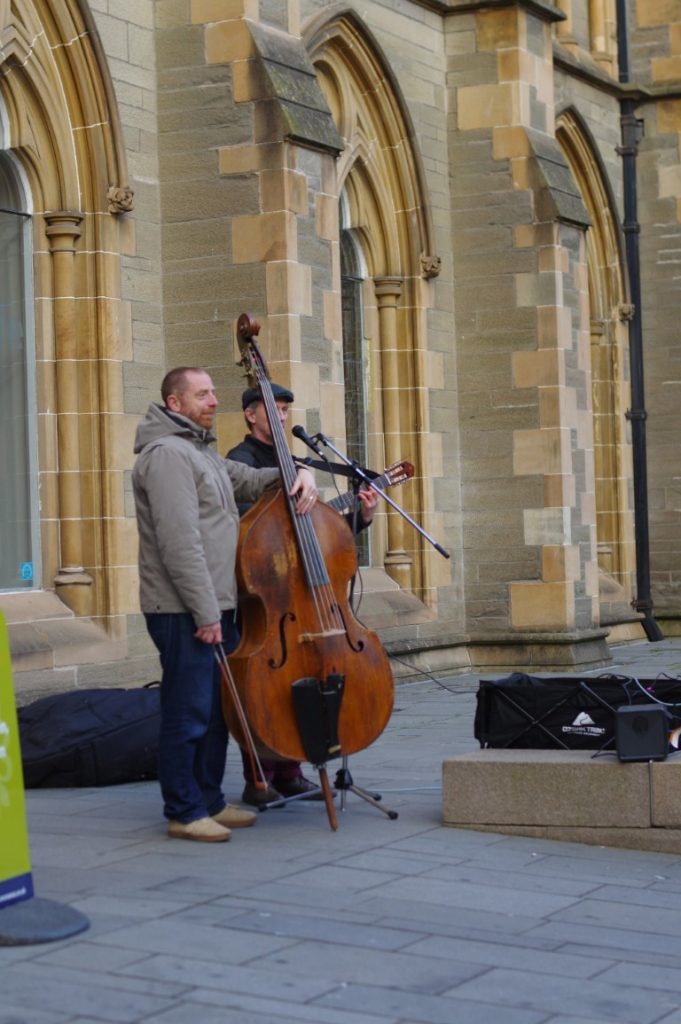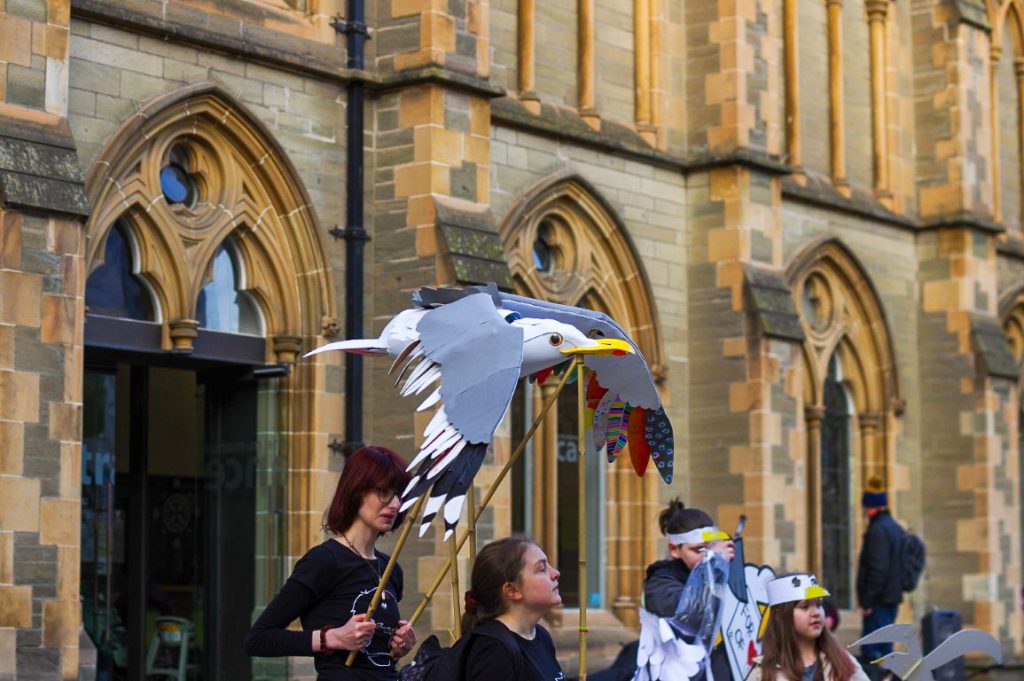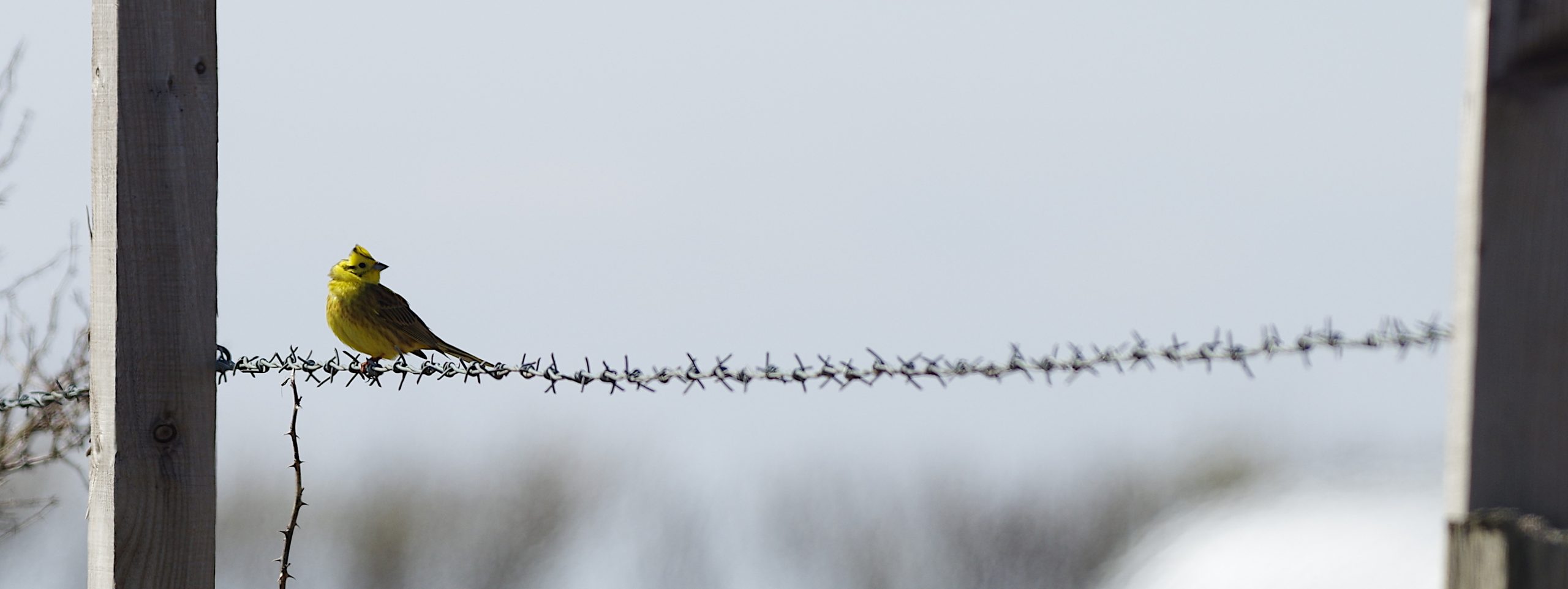
Like many questionable ideas, the Pigeon Walk began as a joke.
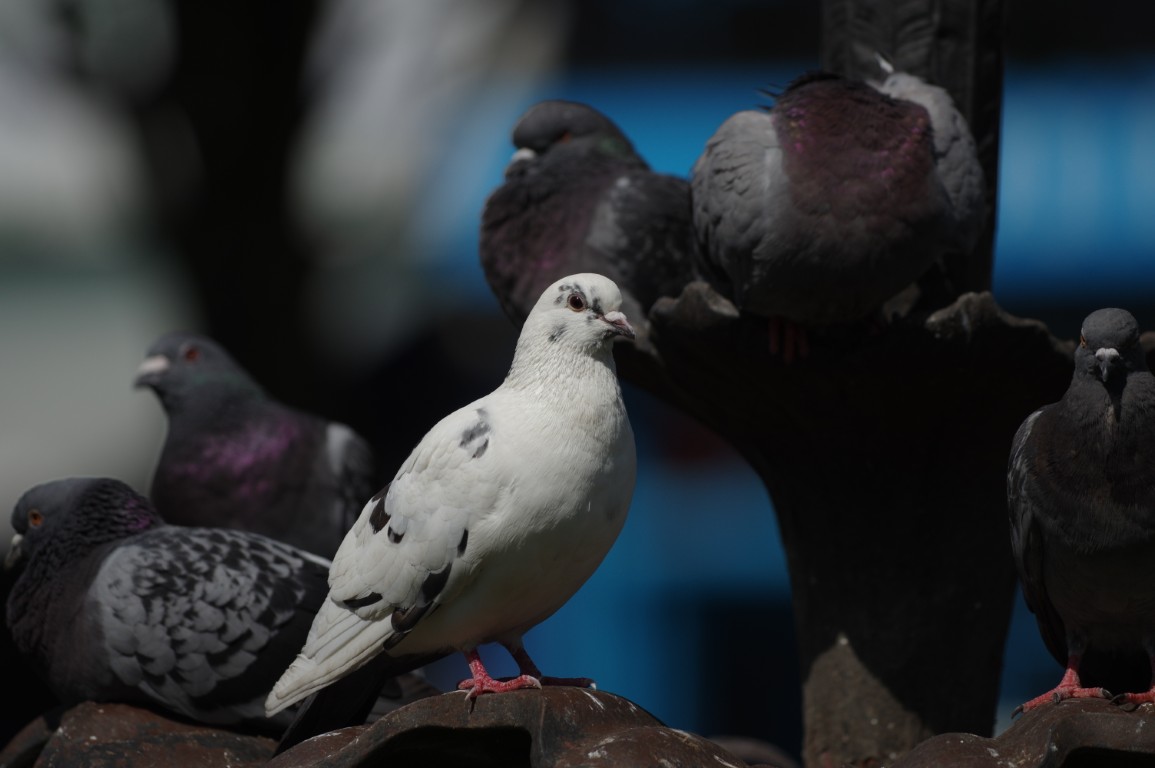
During the Covid-19 pandemic, when opportunities to explore were largely confined to the local neighbourhood, I found comfort in urban birdwatching. Already a keen nature photographer, I began documenting local pigeons, recording variations in their plumage and giving them pet names based on their distinctive characteristics.
Giving Pigeons a Second Look
At one point, I joked about standing outside V&A Dundee with a placard advertising a “Pigeon Walking Tour”. I didn’t expect the idea to go any further. Then RSPB Scotland approached me about collaborating on an event for the Dundee Science Festival, and my immediate answer was “yes!”.
No longer was photographing and documenting local pigeon colour morphs just an idle hobby. It became an opportunity to explore a bigger question: what if pigeons could be a gateway bird to urban birdwatching and a deeper connection with nature?
Designing the Experience
The challenge was turning that idea into something people could actually do.
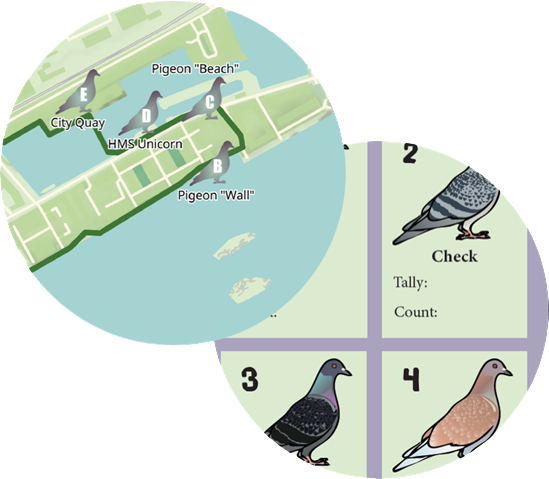
I created a guided walking tour map and brochure, featuring illustrations by local artist Susan Kruegar of Sterling Notions that encouraged people to explore Dundee, document local wildlife, and discover the remarkable variety hidden within its pigeon population.
A Slight Obsession in Genetic Variation
If pigeons don’t seem beautiful at first, look a little closer. Notice how their necks shimmer green and purple in the sunlight, especially during their gentle courtship displays. Then look beyond the iridescence. What first appears to be a flock of identical birds quickly reveals an extraordinary variety of colours, patterns and markings, shaped by pigeons’ long history alongside humans.
Thousands of years of domestication and adaptation have left their mark on these birds, with every city developing its own unique mix of traits through breeding, chance and survival.
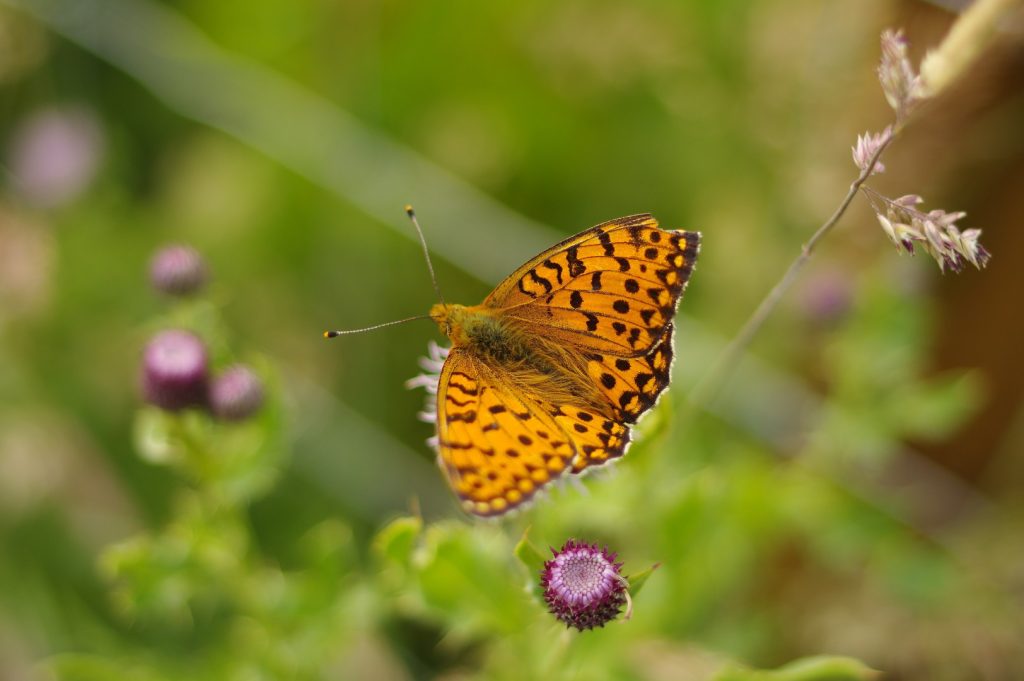
Perhaps it’s no surprise that I ended up cataloguing pigeon colour morphs. Earlier in my career, I completed an MSc in Bioinformatics, where my dissertation explored genetic variation in butterflies. I’ve always been captivated by the endless ways evolution, inheritance and chance create variety in the natural world. Pigeons simply brought that fascination a little closer to home.
That fascination inevitably found its way into the Pigeon Walk.
From Quirky Idea to Award
The biggest surprise was that other people seemed to enjoy the idea as much as I did.
In 2026, I was honoured to be awarded the Community Champion as part of the RSPB President’s Awards, recognising my volunteering efforts for my ongoing engagement with the Wild Dundee project.
While the award recognised my wider volunteering, projects like the Pigeon Walk showed how creative ideas can help people connect with nature.
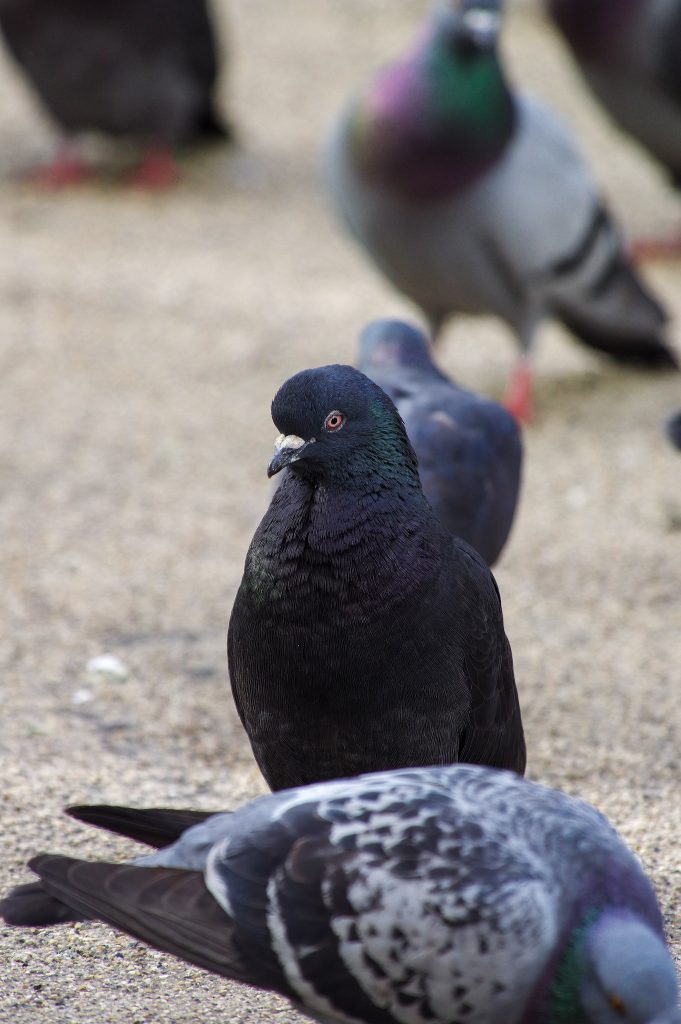
Pigeons themselves don’t really need our help – they’ve proven remarkably successful at adapting to the environments we’ve created. But they do offer something equally valuable: an accessible way for people to engage with nature.
What I Learnt
My key takeaway from designing the experience was that people genuinely sympathise with pigeons. Once I put myself out there, I discovered far more affection for these birds than the usual “rats with wings” stereotype would suggest.
Acknowledgements
What started as a joke, became a reality thanks to people believing in me. I’m grateful to RSPB Scotland’s Wild Dundee project for embracing an unconventional idea, and to Susan Krueger for bringing the brochure to life with her beautiful illustrations.
I would also like to acknowledge the Dundee Science Centre for including the Pigeon Walk in its 2026 programme, my academic supervisors at Abertay University for their encouragement and everyone who engaged with the project either with the in-person or self-paced walking tour, or providing valuable feedback.
Following the Columbidae Codex
Further information on the Columbidae Codex can be found from the Substack newsletter.